The Difference Between 3D Renders for Branding and 3D Renders for Packaging Design
The Difference Between Renders
Not all 3D renders serve the same purpose.
Many brands use 3D visuals without a clear strategy, thinking that one good render works everywhere. In reality, 3D renders for branding and 3D renders for packaging design have very different goals.
Understanding this difference is key to creating visuals that actually perform.
3D Renders for Branding: Emotion and Identity First
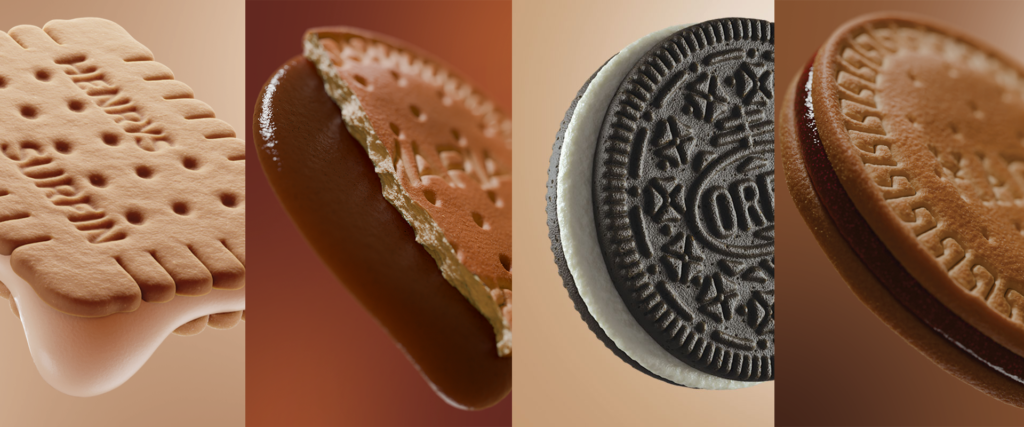
Branding renders are designed to build perception, not explain details.
Their main role is to communicate the brand’s identity and values at a glance.
Strategic questions branding renders must answer:
- Who are we as a brand?
Luxury, bold, minimal, playful, innovative? - What emotion should the audience feel?
Desire, trust, curiosity, aspiration? - How should the brand be remembered?
Through mood, style, lighting, and atmosphere.
Key characteristics of branding renders:
- Strong mood and storytelling
- Artistic lighting and dramatic angles
- Focus on emotion over technical detail
- Often used for ads, websites, social media, and campaigns
Branding renders don’t explain the product—they make people want it.
3D Renders for Packaging Design: Clarity and Function First
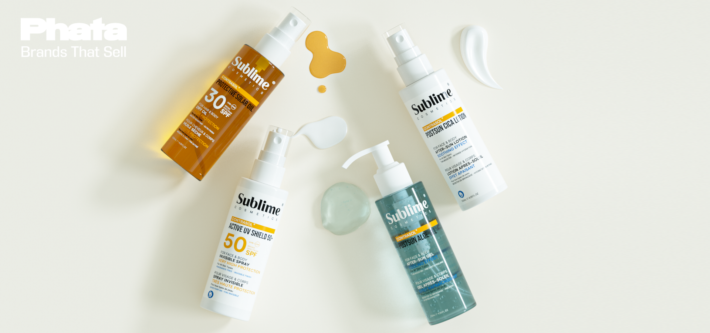
Packaging design renders serve a different mission.
They are created to validate, test, and present the actual packaging before production.
Strategic questions packaging renders must answer:
- Is the packaging clear and readable?
- Are logos, text, and hierarchy correct?
- Does the design work in real-world conditions?
- Will it stand out on shelves or online listings?
Key characteristics of packaging design renders:
- Neutral and controlled lighting
- Accurate proportions and materials
- Clear front, back, and side views
- Focus on readability and structure
Packaging renders don’t sell a dream—they remove uncertainty.
Why Confusing These Two Is a Costly Mistake
Using branding-style renders for packaging validation can hide problems.
Using technical packaging renders for branding can feel cold and uninspiring.
When brands mix these purposes, the result is:
- Weak communication
- Confusing visuals
- Missed conversions
- Expensive corrections later
Strategy defines the render—not the software.
How Strategic 3D Design Solves This Problem
With a strategic 3D approach, brands create different visuals for different goals.
- Branding renders to attract and inspire
- Packaging renders to validate and clarify
- Consistent visual language across both
- Full control before manufacturing
3D becomes more than a design tool—it becomes a decision-making tool.
Real Impact for Brand Owners
When brands use the right type of 3D render at the right stage, they gain:
- Clearer brand positioning
- Stronger shelf presence
- Faster approvals and fewer revisions
- Better marketing performance
The result is not just better visuals—but better business outcomes.
Final Thought
If your 3D visuals are not working, the issue may not be the quality.
It’s often a strategy mismatch.
Ask yourself:
- Am I trying to build emotion—or validate design?
- Is this render for branding—or for packaging execution?
When you answer that clearly, everything else becomes easier.
Ready to Use 3D Strategically?
At Phata, we help brands separate branding visuals from packaging design visuals—and use both with intention.
We combine brand strategy and 3D design to create renders that connect, communicate, and convert.
👉 Visit phata.agency to review your current visuals and see how strategic 3D can elevate your brand.